There are people in our communities carrying pain that nobody sees. There is the widow who has learned to keep going because everyone expects her to be strong. There is the girl who has questions she is afraid to ask. There is the boy who is struggling but has never been taught that he is allowed to say so. There is the man who has been told, in one way or another, to carry his problems quietly. There is the parent who is overwhelmed and does not know where to turn. There is the young person who feels alone even while surrounded by people. And sometimes, there is someone who simply needs a safe place to say, “I am not okay.”
We believe that person deserves to be heard.
Mental health is part of being human
At Naserian’s Heart of Healing Foundation, we believe mental health cannot be separated from everyday life.
It lives in our homes, our schools, our workplaces, our relationships and our communities. It is connected to how we experience loss, poverty, violence, rejection, loneliness, pressure, grief, uncertainty and change.
It is also connected to joy, belonging, hope, connection and the ability to imagine a future for ourselves.
Mental health is not only a conversation for people who are already in crisis. It is something we should be able to talk about before a crisis happens.
That is why we believe mental health conversations belong in our communities, not only in hospitals or counselling rooms.
Suicide prevention must begin before crisis
When we talk about suicide prevention, we are talking about human lives. Behind every statistic is a person. A son. A daughter. A mother. A father. A friend. A neighbor. A colleague. A child. Someone whose absence leaves people asking questions they may carry for the rest of their lives. We honor those who have died by suicide, and we hold space for the families and communities left to carry that loss. But remembering lives lost must also move us to ask a harder question.
What can we do while people are still here? We believe prevention begins long before the moment of crisis. It begins when someone knows they can talk. It begins when a young person can ask for help without being laughed at. It begins when a man can admit that he is struggling without feeling that he has failed. It begins when a widow can speak about grief without being expected to simply move on. It begins when a child knows that an adult will listen. It begins when families understand that seeking support is not weakness. It begins when communities have places where people can walk in, sit down and be heard.
We want more places where people can speak
One of the things we are deeply committed to at Naserian’s Heart of Healing Foundation is creating and strengthening spaces where people can speak openly about what they are experiencing. We do not believe everyone needs the same kind of support.
Sometimes someone needs a conversation. Sometimes they need a trained counsellor. Sometimes they need family support.Sometimes they need medical or specialist care. Sometimes they need protection from an unsafe environment. Sometimes they need practical support because the emotional pain they are experiencing is closely connected to what is happening in their lives.
And sometimes, they simply need someone to listen long enough for them to know that their voice matters. Our role is not to pretend that one organization can solve every mental health challenge. Our role is to help build a stronger circle of care around people.
That means mental health education. It means community conversations. It means psychosocial support. It means creating safe spaces. It means knowing when someone needs more specialized help and connecting them to appropriate services. It means working with families, professionals, institutions, community leaders and other organizations because healing does not happen in isolation.
Our communities deserve more than awareness
Awareness matters. But awareness alone is not enough. People can know that depression exists and still have nowhere to go when they are struggling.
A young girl can hear that her mental health matters and still live in an environment where nobody listens to her. A man can hear that it is okay to ask for help and still have no accessible place where he can actually receive that help.
A grieving widow can be told to be strong while carrying a burden that nobody has taken the time to understand. This is where we believe the conversation must change. We want to move from simply telling people that mental health matters to asking what support looks like when a real person needs it.
Where can they go? Who will listen? What happens next? Can they access appropriate care? Will they be treated with dignity? Will their culture, language, family and lived experience be understood?
These are not small questions. They are part of what meaningful mental health support looks like.
We are building from the community
Our work is rooted in community because we believe communities already hold knowledge, strength, relationships and people who care. We also recognize the gaps. There are people who need support and do not know where to find it. There are families carrying grief without adequate support. There are young people navigating pressures they were never prepared for.
There are women and girls whose emotional wellbeing is affected by circumstances that require more than a motivational conversation. There are men who need spaces where they can be human without having to perform strength.
We want to be part of changing that.
Our long-term vision includes a Community Counseling and Healing Center where people can access a welcoming, safe and culturally responsive space for counselling, psychosocial support, family support, mental health education and connection to wider services. We envision a space where someone can walk through the door and know that their story matters. A space where speaking in your own language is possible. A space where women, girls, men, boys, children, families and communities can find support. A space built around dignity. A space built around humanity.
A space built around healing.
Our message to the public
We do not have to wait for someone to reach breaking point before we care. Check on the person who has become unusually quiet. Make room for the conversation that feels uncomfortable. Listen without immediately trying to fix everything. Take people seriously when they tell you they are struggling. Teach our children that emotions can be spoken about. Give men permission to be human. Give women space to grieve and heal. Give young people somewhere safe to go. And if you are the person who has been carrying something quietly, we want you to know this: Your experience matters. Your voice matters. You deserve to be heard. You deserve support. You do not have to carry everything alone.
If you or someone around you is in immediate danger or at risk of suicide, seek urgent professional or emergency support. Community support and conversation are important, but they do not replace emergency or specialized care when it is needed.
The work has begun
At Naserian’s Heart of Healing Foundation, we are not interested in mental health being a conversation that appears once a year and disappears when the awareness day is over.
We want to be part of building something that remains Something people can access. Something communities can trust. Something that makes it easier for people to speak before silence becomes unbearable.
We know the work is bigger than us. That is why we believe in collaboration, partnerships, professionals, community leadership and the people who are already doing this work. We are building from where we are, while thinking beyond where we are. Because people are human before they are statistics. And every person deserves somewhere safe to be heard.
The work has begun.
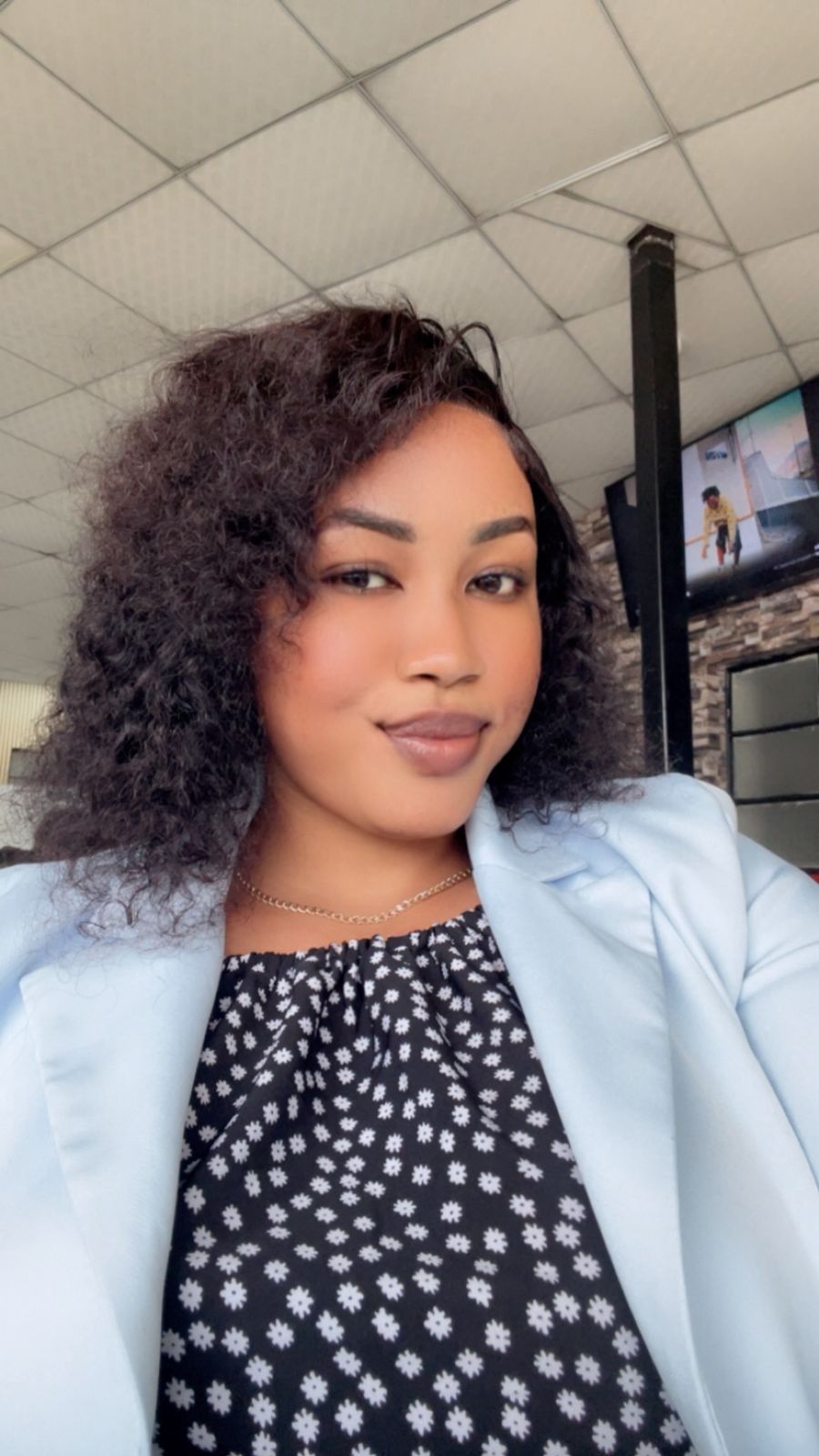
Naserian is a writer, personal growth advocate, and founder of The Awakened with Naserian. A founder of Naserian’s Heart of Healing Foundation that supports vulnerable girls & widows in her community. Through her work, she explores self-awareness, the subconscious mind, emotional healing, self-concept, intuition, and conscious living. Drawing from both personal experience and years of self-discovery, she is passionate about helping others understand themselves more deeply, break limiting patterns, and create meaningful transformation from within. She is also the author of What Stands Between You and What You Want, a guide to understanding the hidden beliefs and subconscious patterns that influence our lives.